- DLIM's Playbook
- Posts
- NFL Training Camp Clinical Rotation
NFL Training Camp Clinical Rotation

Devin Limerick
September 7th, 2025

Gameday
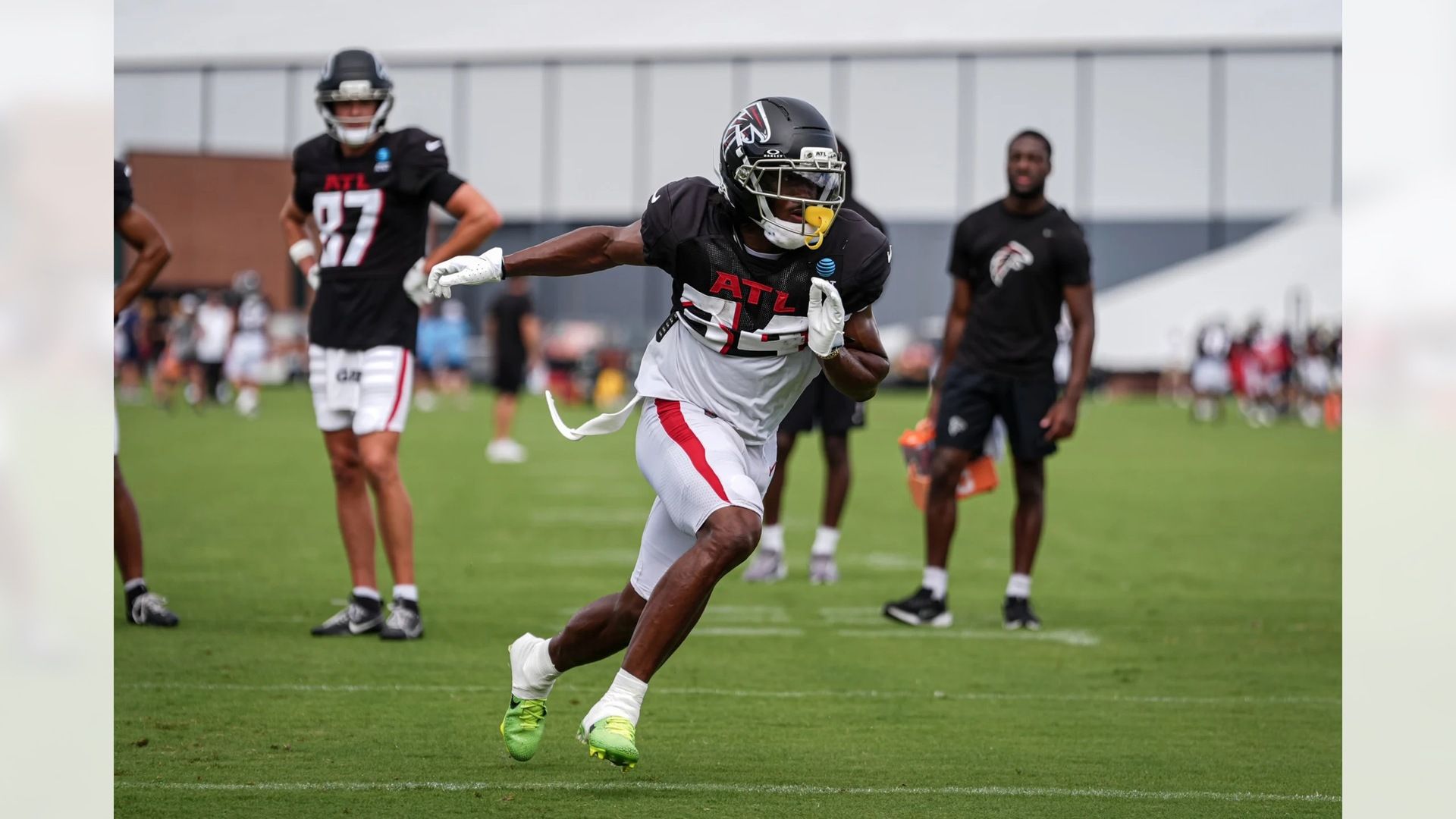
Good Morning! I spent the past two months with the Atlanta Falcons as a Physical Therapy Intern for their Training Camp and Preseason. This internship was my last clinical rotation for school. Today, I will talk about what it was like working with professional athletes, how you can get this kind of clinical rotation in PT school, and my takeaways from this rotation.
*The content of this newsletter is for educational and informational purposes only. No protected health information (PHI) is disclosed, in compliance with HIPAA. In addition, no confidential information regarding team strategies, plays, or performance is shared. All content reflects general knowledge and personal experiences only.
How did I get a clinical rotation in the NFL?
Coming across a clinical rotation in the NFL was a blessing. For athletic trainers, they have PFATS, which is an application for them to do their clinical rotations in the NFL. This is HIGHLY competitive within their programs. All of the athletic training students I worked with had some type of connection with someone with the Falcons that put in a good word for them to get this internship. In such a competitive clinical rotation, connections go a long way. So if you know someone in the NFL, talk to them about teams that will accept you as a physical therapy student. Ultimately, the one team I was able to do a clinical rotation with, I was connected with by my college coach who coached with the Falcons a couple years ago and connected me with their trainers their. But prior to that, I reached out via linkedIn to A LOT of people. I reached out to college and professional teams. Some people responded, but some people didn’t and thats okay! Don’t be scared to get ignored or denied because if you don’t ask, the answer will always be no.
Working with Professional Athletes
A lot of physical therapy students have dreams of working with professional athletes (including me). Being able to work with them in my last clinical rotation is definitely a blessing considering many physical therapist never get to, or if they do, it occurs later on in their career. One big thing I noticed about working with professional athletes is their ability to understand a specific movement you prescribe within seconds. These movements were second nature to them. Additionally, I noticed I had to prescribe difficult exercises for it to be considered challenging to them while a simple squat pattern would be sufficient for your average clinic.
Another factor I learned in this setting is you are rehabbing with literally millions of dollars on the line. Therefore, you better be really— really good at what you do. Getting experience, additional certifications, or even residency could be extremely beneficial for you to be great at this job. The last thing you want is to be rehabbing a slap tear for the first time on your starting Line Backer worth 100 million and the front office is pressing you about return time, milestones and your plan with this player.
Lastly, professional athletes deeply care about their body. So everything you do needs an explanation as to why you’re doing it because they will ask and they will want a scientific answer. Their buy in is extremely important because they will not trust you if you don’t prove your knowledge.
This Rotation was Different than Most Clinical Rotations
As you can imagine, this clinical rotation is much different than most clinical rotations in an outpatient clinic. Here are a couple reasons why below:
Grunt Work
In most clinical rotations for Physical Therapist, your focus is on treating patients and writing notes. Due to the setting of this rotation, it required a lot of other task that athletic training students do during their rotations including packing trunks, practice setup and take down, inventory of products, cleaning the training room, etc. However with this, you learn a lot about where things live on the field and in the training room as well as different products and medications (hibiclens vs hydrogen peroxide) that can be beneficial for you for rehab in sports.
Field Coverage
One of the big things in this clinical rotation is field coverage. Being on the field during practice and games watering down guys as well as assisting in any care they need on the field. This is something you don’t get in your regular outpatient clinic.

Practice Field Coverage
Athletic Training Room
I spent a lot of time in the athletic training room. If you’re interested in working for a college or professional sports team, I’d highly recommend trying to get hours in the athletic training room because their way of treatment and operations is slightly different than ours as physical therapist due to the nature of the environment. Additionally, there are things we didn’t learn in school, like the 20 different types of tape and the different modalities they use.

Mondays at 6AM
It has officially been one year since I’ve been sliding into your mail boxes on Sundays. Moving forward, newsletters will be sent out on Monday mornings at 6 AM to start your week off right! And that is because I landed a job with FSU Football and my weekends will consist of gameday and post gameday treatments.
Takeaways
There are a zillion takeaways from this experience but I’ll try to sum it down to a few things.
Everyone in the building works hard. From the janitor to the General Manager. Everyone does their job to the best of their ability and that energy is contagious. I felt that showing up to work ready to work hard and not cut corners was one of the most important traits needed for this clinical rotation.
Professional athletes are regular people. If you’re a big sports fan (which i would suggest you at least like the sport and follow the sport you want to do your clinical rotation in) you might start to feel star struck when working in this setting. However, its extremely important to keep things professional. Eventually you start to notice its just like talking to any other patient you’ve worked with in the past.

Charter bus to Charter plane to Dallas
You can take your own route to physical therapy for professional sports, there is no right way. This is something that I didn’t really know until I got here. One PT told me I had to go to residency to work in sports, another told me I had to go get my masters in athletic training after PT school and there is not other route. Well, its a lie. There is no specific route you have to take. You can go to residency, you can work 10 years in sports first, you can go get your ATC and LAT, or you can get a clinical rotation and seasonal internship with a team. Choose what best aligns with what you want in your career.
CSCS is 99.9% a must have. This is my own personal opinion and also something my clinical instructor believes. The CSCS was extremely beneficial in programing rehabs for our athletes due to the nature of our environment and the level we expect them to play at. Being able to understand the difference between hypertrophy rep range and load vs plyometric and power ranges is important.
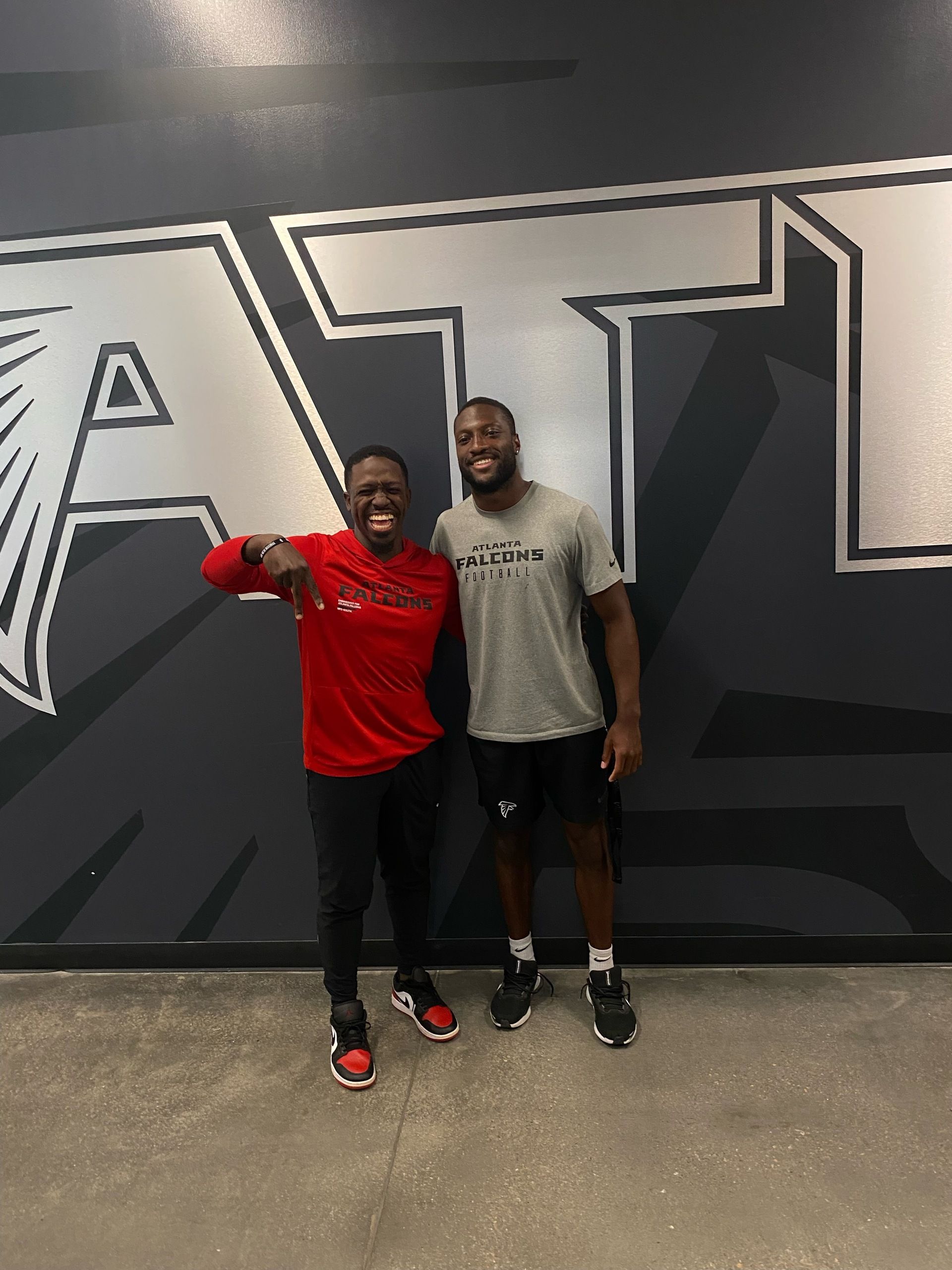
Aaron Williams, PT, DPT, CSCS, SCS
Lastly, this rotation lead me to get a seasonal physical therapy job with Florida State University Football right out of school. In pro sports, everyone knows everyone. Therefore, working hard wherever you are with a team, even if you don’t want to work in that city or in that sport is very important. Our group of interns became close during our rotation, and in the future I know I will see them on other sidelines with other teams or potentially on the same sideline. This is the life in sports, everyone knows everyone in some capacity.