- DLIM's Playbook
- Posts
- Lebron James - Sciatica
Lebron James - Sciatica

Devin Limerick
November 17th, 2025
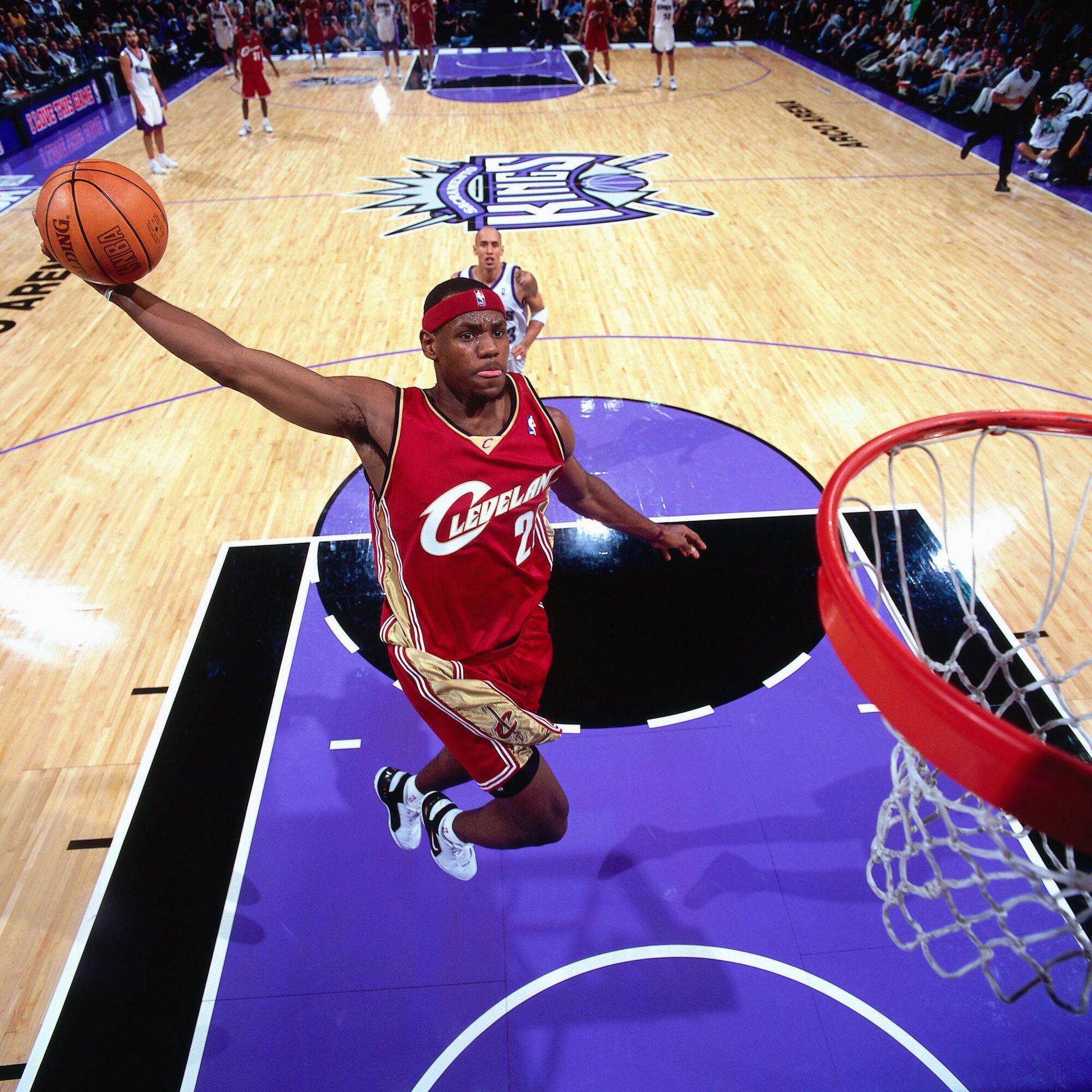
Good Morning! Happy Monday. With basketball back in action, I want to talk about the greatest basketball player of all time, Lebron James and his injury that has sidelined him this season.

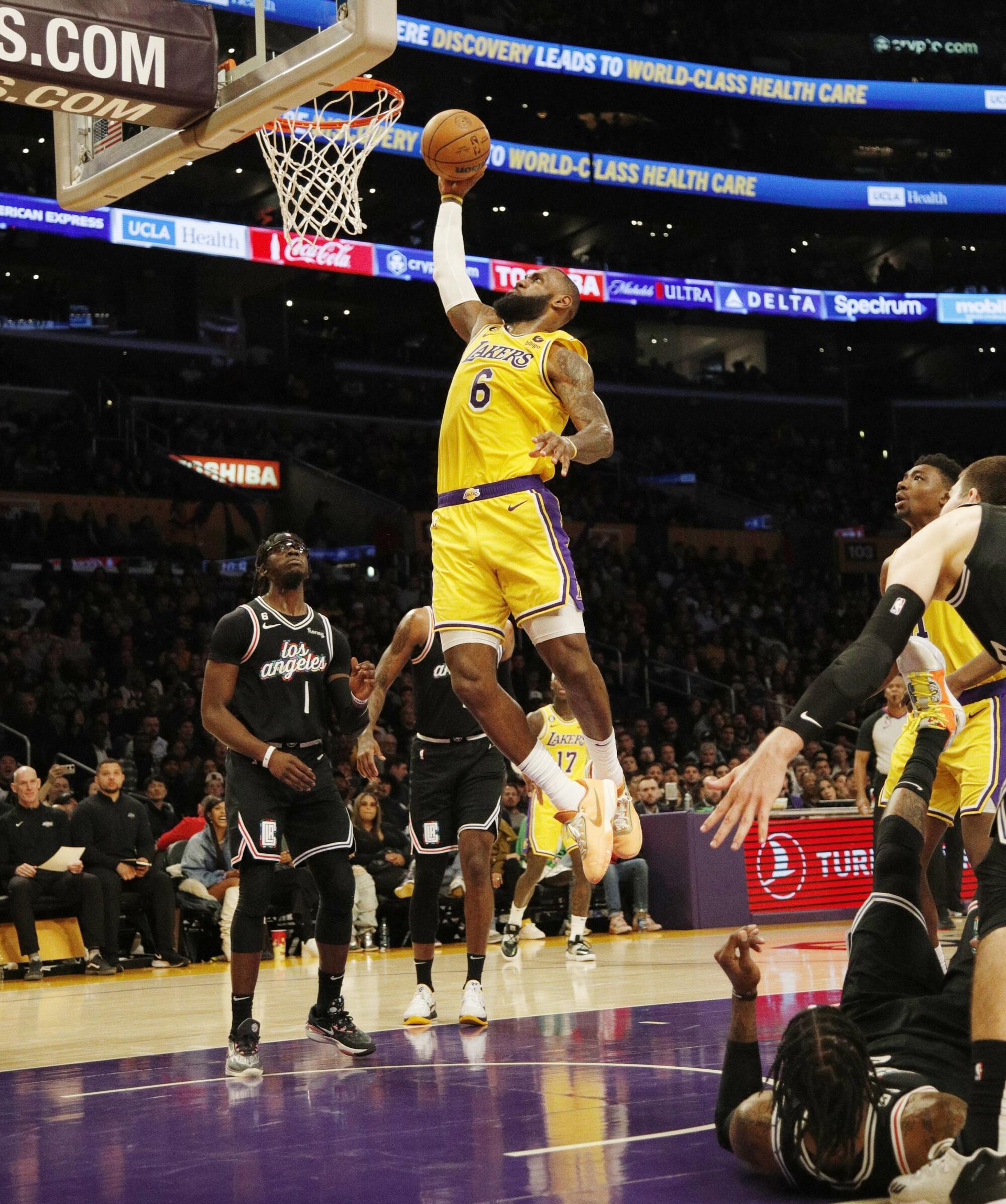
LeBron James, the best athlete in basketball of all time, (yes, better than Jordan) has been sidelined with an injury diagnosed as sciatica. Sciatica is not a single diagnosis but rather a symptom of underlying issues affecting the sciatic nerve, the largest nerve in the body.
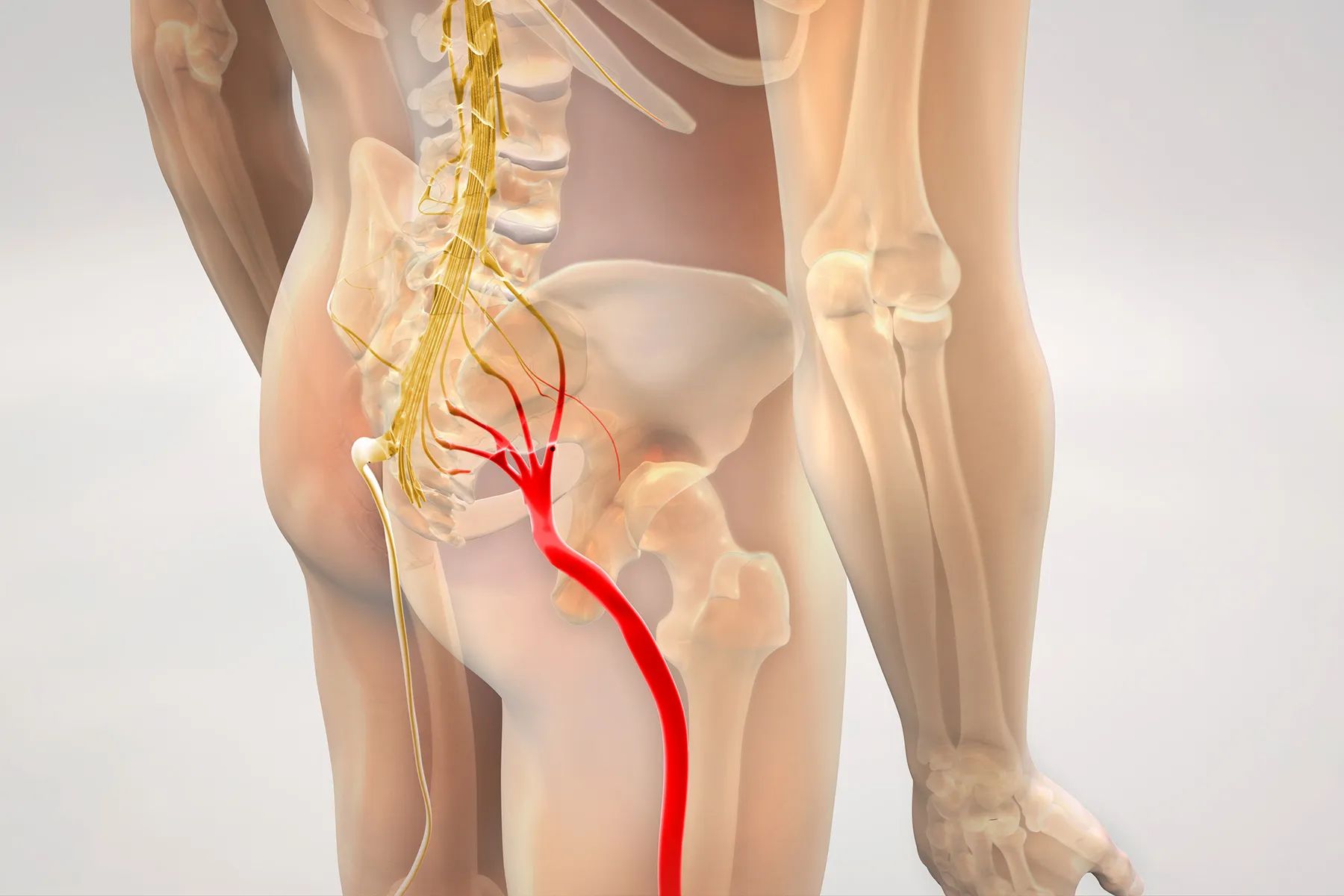
Originating from the lumbar spine (L4-S3), the sciatic nerve travels through the pelvis, buttock, and down the back of the leg, eventually branching into smaller nerves that control movement and sensation in the leg and foot. When the sciatic nerve is compressed, irritated, or inflamed, it can cause pain, tingling, numbness, or weakness along its distribution, potentially affecting athletic performance dramatically, as seen in elite athletes like LeBron.
*The injuries discussed in this newsletter are for general educational purposes only. I am not affiliated with the athlete’s medical team, and the information shared does not reflect any insider or team medical details. Specifics about the injury are often unavailable, which can significantly influence the estimated timeline for return to play.
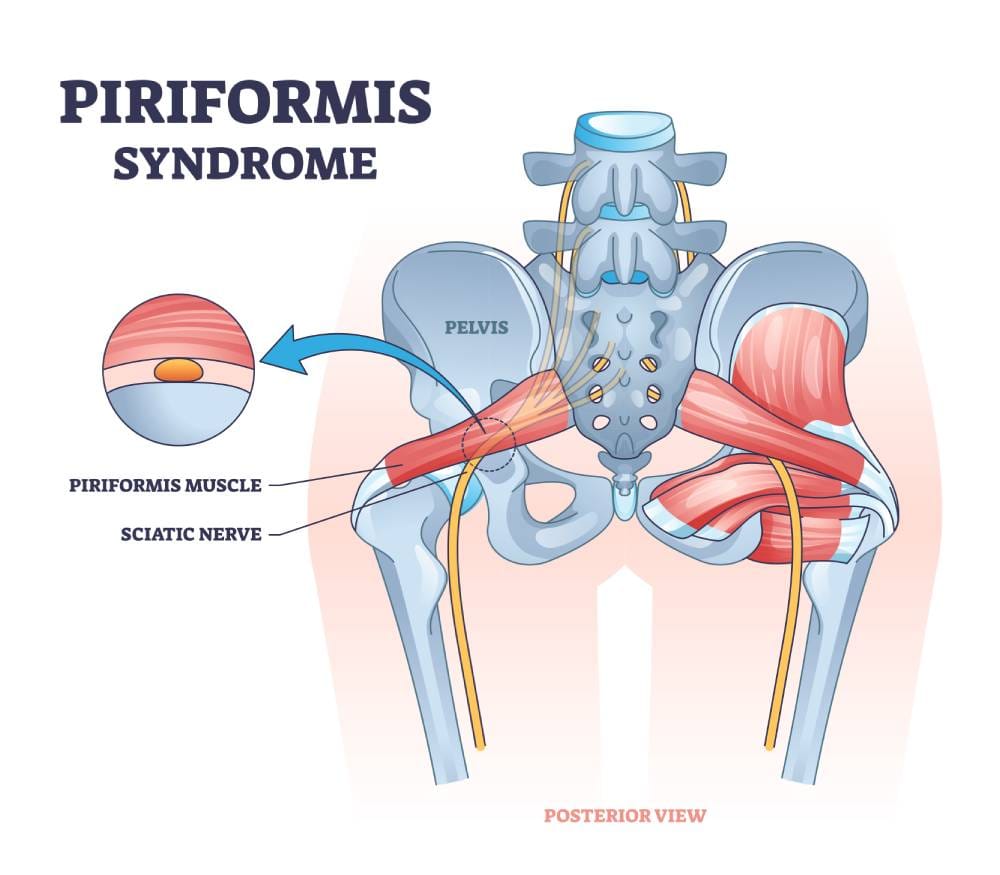
The pathology of sciatica often involves compression of the nerve root at the spine due to conditions such as a herniated disc, degenerative disc disease, spinal stenosis, or inflammation of surrounding soft tissues. In athletes, the mechanism is frequently multifactorial: repeated high-intensity jumping, twisting, and forceful extensions can create both acute and chronic stresses on the lumbar spine. This can lead to disc protrusions that impinge on the nerve root or muscular spasms, particularly of the piriformis muscle in the buttock, which can irritate the sciatic nerve. The resulting nerve irritation manifests as sharp, shooting pain radiating from the lower back into the buttock and down the leg, which may be exacerbated by running, jumping, or prolonged sitting—activities executed in basketball performance. Understanding this anatomical and pathological context is essential for crafting an effective rehabilitation plan tailored to both pain relief and functional return.
The first phase of rehabilitation following a sciatica episode is the acute inflammation phase. During this phase, the primary goal is to reduce pain and control inflammation while protecting the affected nerve. Rest is often advised, but complete inactivity is generally discouraged, as gentle movements can help maintain circulation and prevent secondary complications such as muscle stiffness or weakness. Modalities like ice, heat, or electrical stimulation may be used to manage pain, along with non-steroidal anti-inflammatory medications under a physician’s guidance. Physical therapists often emphasize posture education during this phase, teaching the athlete proper sitting, standing, and sleeping positions to minimize nerve compression. LeBron James, given his high demands on the lower back and legs, would likely undergo a careful program of anti-inflammatory measures, core activation, and low-load movement to protect the spine while maintaining functional capacity.
Following the acute phase, the focus shifts to the strength phase of rehabilitation. Here, the objective is to restore muscular support around the spine, pelvis, and hips to reduce recurrent nerve irritation and stabilize the lumbar segments. Exercises typically include targeted core strengthening, focusing on the transverse abdominis, multifidis, and oblique muscles, alongside gluteal and hip stabilizer activation. Functional strength exercises such as bridges, bird dogs, and controlled lunges help build dynamic support while minimizing strain on the nerve. For a professional athlete like LeBron, strength training would be carefully progressed, balancing the need to regain explosive power with protecting the healing structures. Physical therapists will monitor movement patterns, ensuring that exercises are performed without aggravating pain and that compensatory strategies are minimized.
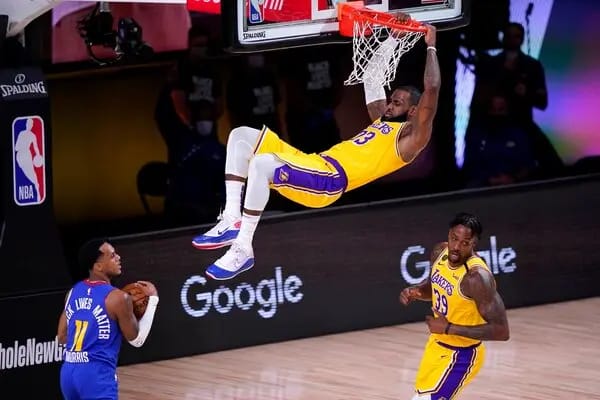
Once foundational strength has been restored, the rehabilitation progresses to the plyometric phase. Plyometrics are exercises that involve rapid stretching and contracting of muscles to develop explosive power, a critical component for basketball athletes who require vertical jumps, sprinting, and quick directional changes. In sciatica rehab, plyometrics are introduced gradually to ensure that the lumbar spine and lower extremities can tolerate high-load, high-velocity movements without causing nerve irritation. Exercises may include controlled jump squats, box jumps with low heights, and resisted agility drills, progressing in complexity and intensity as tolerated. Throughout this phase, careful attention is paid to movement mechanics, ensuring that LeBron maintains proper lumbar alignment, engages core musculature, and avoids compensatory hip or knee strategies that could stress the nerve or surrounding tissues.
*Due to my professional association with the Atlanta Falcons during preseason and my current role with the Florida State Seminoles, I will not provide educational content or commentary on any injuries within these programs during or after the season.
The next phase is the return-to-play phase, where the rehabilitation program becomes highly sport-specific. For a professional basketball player, this phase involves integrating drills that simulate the demands of competition while continuing to protect the healing sciatic nerve. Activities include full-speed cutting drills, sprinting patterns, shooting while moving, and controlled contact situations. The intensity, volume, and complexity of training are progressively increased, guided by the athlete’s symptoms, functional assessments, and readiness metrics such as strength ratios, movement quality, and endurance. The primary goal of this phase is to safely transition from controlled training environments into full participation in practice sessions, ensuring that the athlete can tolerate the specific demands of basketball without recurrence of sciatica symptoms.
The final phase of rehabilitation is return-to-performance, where the focus shifts from merely participating to performing at a pre-injury level or higher. This involves optimizing strength, agility, endurance, and neuromuscular control while monitoring for subtle signs of nerve irritation. Performance metrics, such as sprint speed, jump height, lateral agility, and workload tolerance, are tracked to ensure that the athlete can sustain high-intensity competition without setbacks. Functional training at this stage is highly individualized, incorporating plyometric drills, resistance training, and sport-specific scenarios such as full-court fast breaks and repeated jump shots. Ongoing preventive strategies are emphasized, including core and hip strengthening, dynamic warm-ups, flexibility work, and workload management to minimize the risk of future sciatic irritation.