- DLIM's Playbook
- Posts
- Kickers
Kickers

Devin Limerick
September 15th, 2025

Brandon Aubrey lined up for a 64-yard field goal to tie the game between the Cowboys and Giants this yesterday, after a quick drive down the field in 30 seconds. Sixty-four yards is a long way and it seems like kickers keep pushing the limits to how far they can kick. The ball sailed high and straight through the uprights, sending the game to overtime. After a couple drives back and forth, Aubrey nailed a game-winner.
There is a physical toll on the body of an athlete whose job looks pretty simple. Kickers may not endure the constant collisions that linemen face, yet their unique motion—explosive, one-sided, and repeated thousands of times in practice—creates a very specific set of injury risks.
Only a couple of weeks ago, LSU’s kicker learned that lesson firsthand when he went down mid-kick with what the team reported as a lower-body injury. The footage showed an awkward plant followed by an immediate grab of his hip and low back.

These moments are reminders that even in a position built on precision, the body is under constant stress. Let’s break down three of the most common injuries kickers face—calf strains, low-back pain, and hip-flexor issues—and look at what players and rehab specialist do to prevent them.
1. Calf Strains
Why it happens:
The calf acts as the final spring in a kicker’s motion. As the plant foot hits, the kicking leg whips forward and the ankle locks into a forceful toe-point, demanding an explosive contraction from the gastrocnemius and soleus muscles. Sudden overstretching or fatigue during a long session can cause tiny muscle fibers to tear.

Symptoms:
A kicker with a calf strain might feel a sharp “pop,” followed by localized soreness or swelling. They may limp or have difficulty pushing off the toes.
Prevention and rehab:
Dynamic warm-ups (think ankle dribble, single-leg calf raises with leg straight and bent, and light bounding) prime the muscle for the rapid stretch-shortening cycle. After an injury, early treatment focuses on rest and gentle range of motion before progressing to eccentric strengthening—slow, controlled heel drops and resisted plantar flexion. As well as BFR training early on.
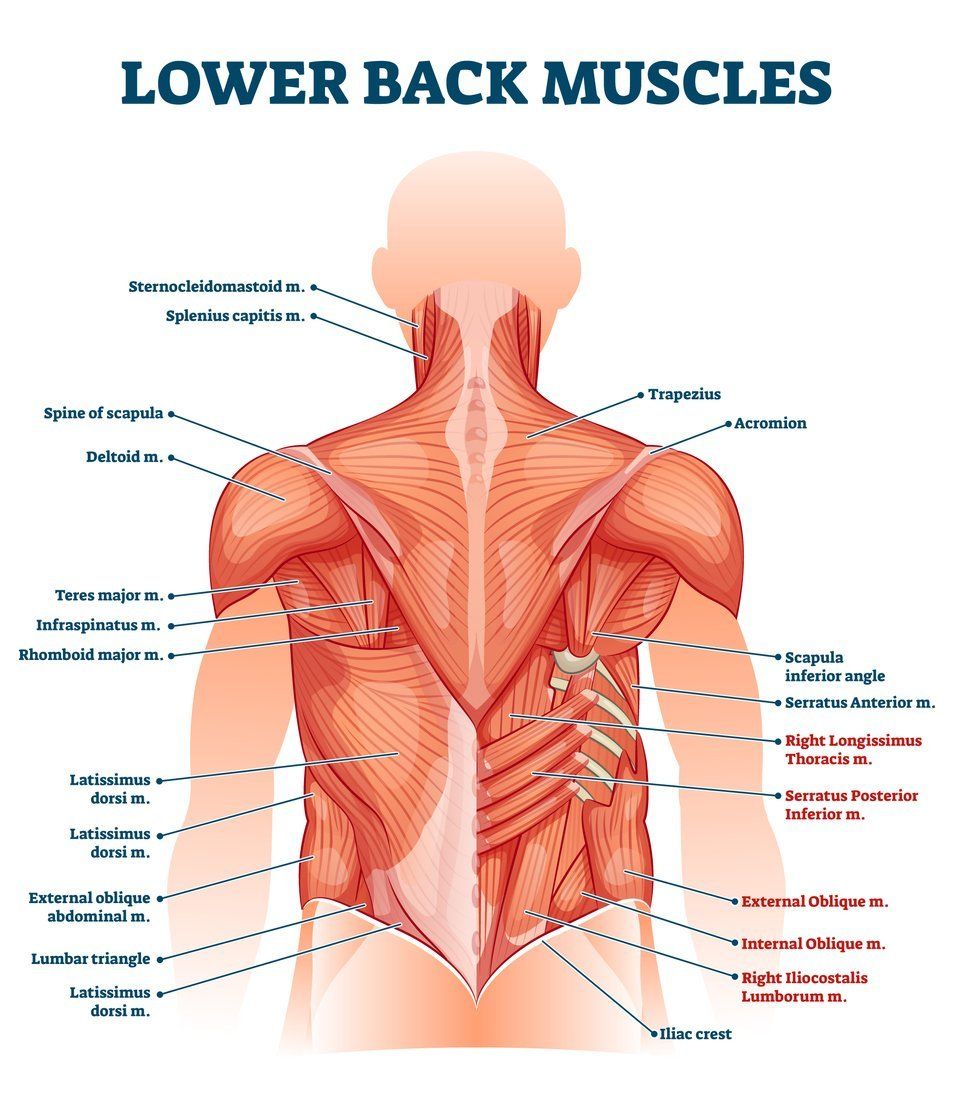
2. Low-Back Injuries:
Why it happens:
Every kick starts with a lean and ends with a violent follow-through, creating rotational torque on the lumbar spine. Over time, repetitive hyperextension combined with the asymmetry of always kicking with the same leg can irritate the facet joints or strain the paraspinal muscles. Long travel schedules, heavy lifting, or even sitting on cramped flights can make things worse.
Red flags:
A dull ache after kicking sessions, sharp pain when bending backward, or stiffness the morning after games are all signs a kicker’s back is flared up. Ignoring those warnings can lead to disc problems or chronic inflammation.
Protection strategies:
Core stability is key—planks, bird dogs, and anti-rotation exercises (like Pallof presses) help balance the force through the trunk. Strengthening the glutes reduces the load on the lumbar spine. Some teams limit total weekly kick counts to manage cumulative stress, especially after long attempts like Aubrey’s 64-yard bomb.

3. Hip-Flexor Strains:
Why it happens:
The hip flexors, particularly the iliopsoas and rectus femoris, are the prime movers when a kicker drives the thigh toward the chest. That ballistic action—combined with rapid deceleration—makes the area prone to strains. Fatigue, poor pelvic control, or inadequate warm-up heighten the risk.
Signs:
Pain at the front of the hip or deep in the groin, especially when raising the knee or extending the leg behind the body. Severe cases limit the kicker’s ability to swing through the ball or even jog.
Preventive work:
Dynamic hip openers, single-leg bridges, and resisted knee drives strengthen the hip flexors and the stabilizing muscles around them. Consistent flexibility training—think controlled leg swings and 90-90 hip stretches—helps maintain the range needed for a clean, powerful kick.

Brandon Aubrey’s kick yesterday is most likely awarded from his preparation that goes into protecting a kicker’s body. NFL specialists typically log hours of mobility drills, single-leg strength training, and video analysis to keep mechanics efficient. Their teams track every rep in practice, adjusting workloads if they detect subtle movement changes that signal fatigue.
For younger athletes, high schoolers, or recreational players, the lessons are clear:
Balance the body. Don’t neglect the non-kicking leg. Single-leg squats, side planks, and rotational core work build symmetry.
Respect rest. The nervous system needs time to recover from explosive efforts. Quality reps beat sheer quantity.
Seek early treatment. A “tight calf” or “stiff back” today can be tomorrow’s strain if ignored.