- DLIM's Playbook
- Posts
- Jayden Daniels - Elbow
Jayden Daniels - Elbow

Devin Limerick
November 10th, 2025
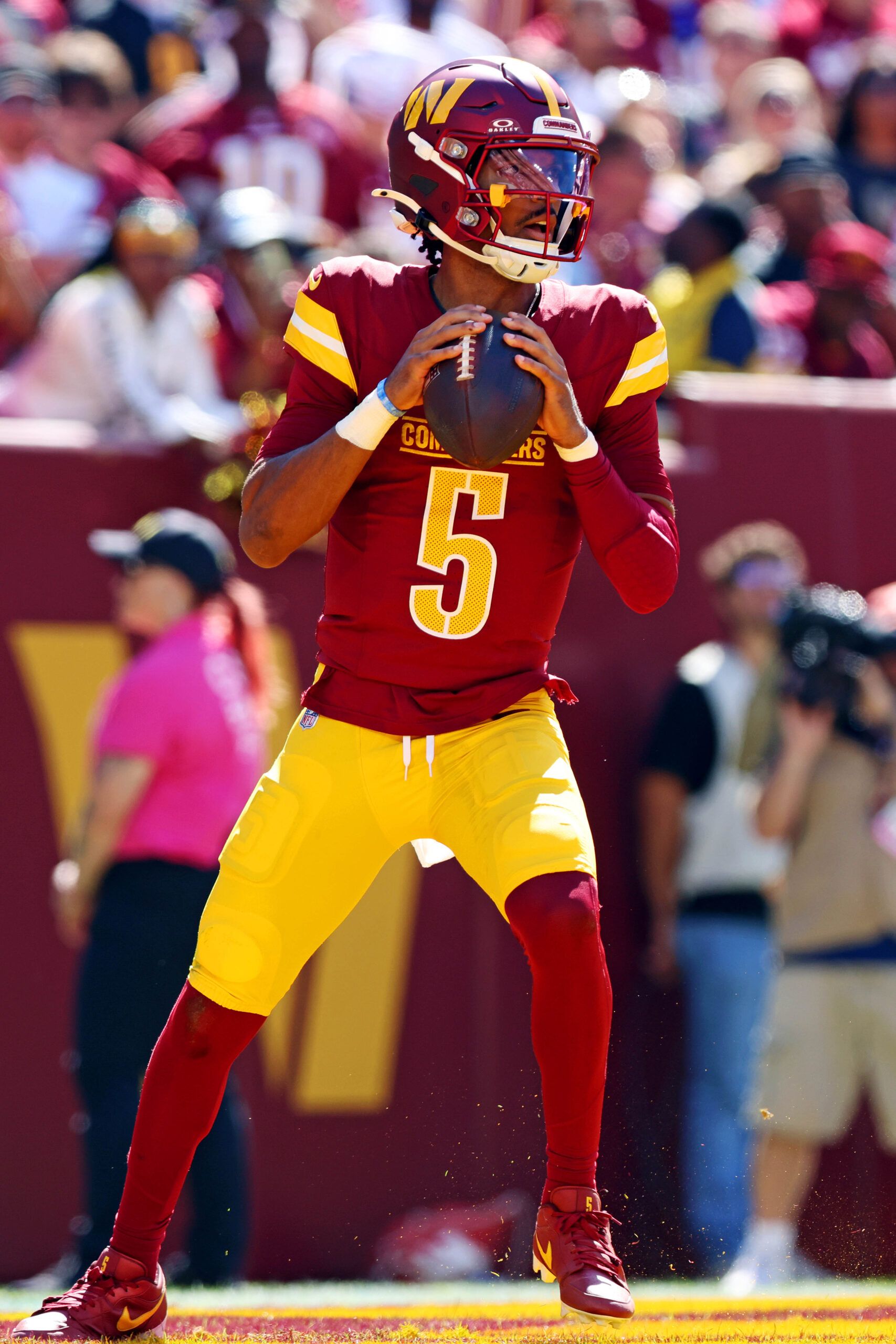
Good morning! Happy Monday! Today I am unfortunately covering another great quarterback in the NFL, Jayden Daniels. His season has came to an end with an elbow dislocation last weekend in the Sunday Night Football game.
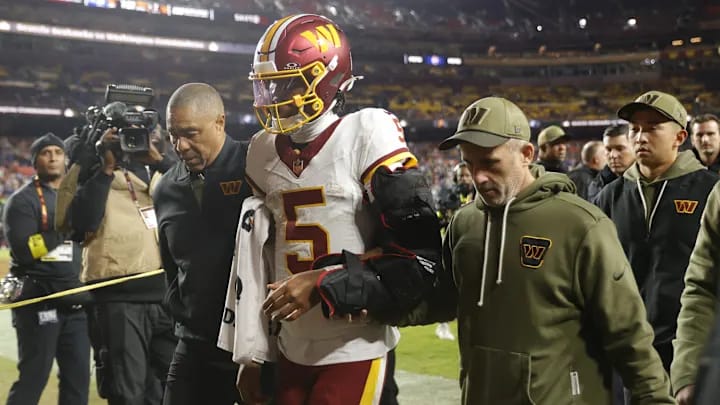
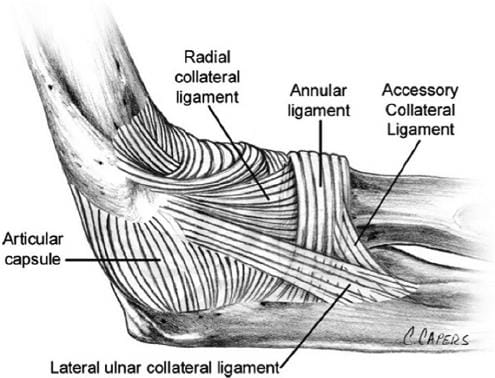
Jayden Daniels sustained a left elbow dislocation. This is a significant injury involving the disruption of the normal alignment between the humerus, radius, and ulna bones. The elbow is a hinge and pivot joint stabilized by the ulnar collateral ligament on the inner side, the radial collateral ligament on the outer side, and the annular ligament that secures the radius in place during rotation. When an elbow dislocates, one or both of the forearm bones are forced out of their normal position relative to the humerus, typically from a fall on an outstretched hand or a sudden hyperextension under load. This trauma stretches or tears the surrounding ligaments, capsule, and possibly muscles or cartilage, leading to pain, swelling, and instability. In Daniels’ case, it was a “simple dislocation,” meaning no associated fracture, but the injury still required careful management to restore joint function and prevent long-term stiffness or instability.
In the immediate aftermath of the dislocation, the goal is to protect the joint, control pain and inflammation, and begin early healing. After reduction—when the bones are placed back into proper alignment—the elbow is often supported in a brace or sling for a brief period to allow soft tissue recovery. Physical therapy focuses on gentle, pain-free range of motion exercises to prevent stiffness while maintaining mobility in the wrist, hand, and shoulder. Swelling management through ice, compression, and elevation is essential. During this stage, Daniels’ rehab would also emphasize monitoring neurovascular function and preventing muscle atrophy through isometric activation of surrounding musculature without stressing the joint.
*The injuries discussed in this newsletter are for general educational purposes only. I am not affiliated with the athlete’s medical team, and the information shared does not reflect any insider or team medical details. Specifics about the injury are often unavailable, which can significantly influence the estimated timeline for return to play.
Once pain and swelling subside and motion improves, the focus shifts to rebuilding strength and stability around the elbow. Muscles such as the biceps, triceps, and forearm flexors and extensors are trained to restore dynamic support to the joint. This begins with low-resistance, controlled exercises like isometrics and light band work, gradually progressing to isotonic strengthening with weights. Isotonic strengthening often starts on a machine, working only in one plane of motion. This allows the machine to provide the stability needed while strengthening. Then, moving into more unstable free weights allows for strengthening and stability. The goal is not only to regain strength but to improve coordination between muscles and ligaments that stabilize the elbow during rapid or unexpected forces. For an athlete like Daniels, training the shoulder girdle and scapular stabilizers is equally important, since these areas work in concert to protect the elbow during play.
After regaining baseline strength and range of motion, the next phase emphasizes power, speed, and reactive control. This includes medicine ball throws, controlled plyometric push-ups, diagonal movement patterns, and quick stabilization drills that mimic the demands of football. The goal is to reintroduce explosive movements while reinforcing proper joint alignment and neuromuscular timing. For Daniels, this phase would also involve sport-specific drills that replicate the unpredictable contact and load patterns of a game—falling mechanics, bracing on impact, and arm extension during movement. At this stage, the elbow must demonstrate resilience under high-velocity and high-load activities.
Once Daniels can perform full-speed, pain-free movement with confidence, he transitions into the return-to-play phase. This includes controlled practice sessions that simulate game situations under the supervision of the medical and coaching staff. Contact exposure is gradually increased to ensure the elbow can handle collisions and rapid extension forces. The emphasis here is on restoring fluid, instinctive motion—being able to protect the football, brace for tackles, and use the arm naturally without hesitation. Clearance for full play depends on strength symmetry, joint stability, and the athlete’s ability to tolerate load and contact during position-specific tasks.
*Due to my professional association with the Atlanta Falcons during preseason and my current role with the Florida State Seminoles, I will not provide educational content or commentary on any injuries within these programs during or after the season.
The final phase is about elevating back to pre-injury performance levels. Daniels must regain not just physical ability but complete confidence in his arm during high-intensity play. Training focuses on endurance, reactive control, and performing under fatigue, ensuring that the elbow can withstand the physical demands of a full NFL game. Maintenance strength and stability exercises continue long-term to prevent reinjury. The ultimate goal is seamless reintegration into competition—where Daniels can perform with full trust in his body, execute under pressure, and maintain the dynamic control needed for elite-level play.
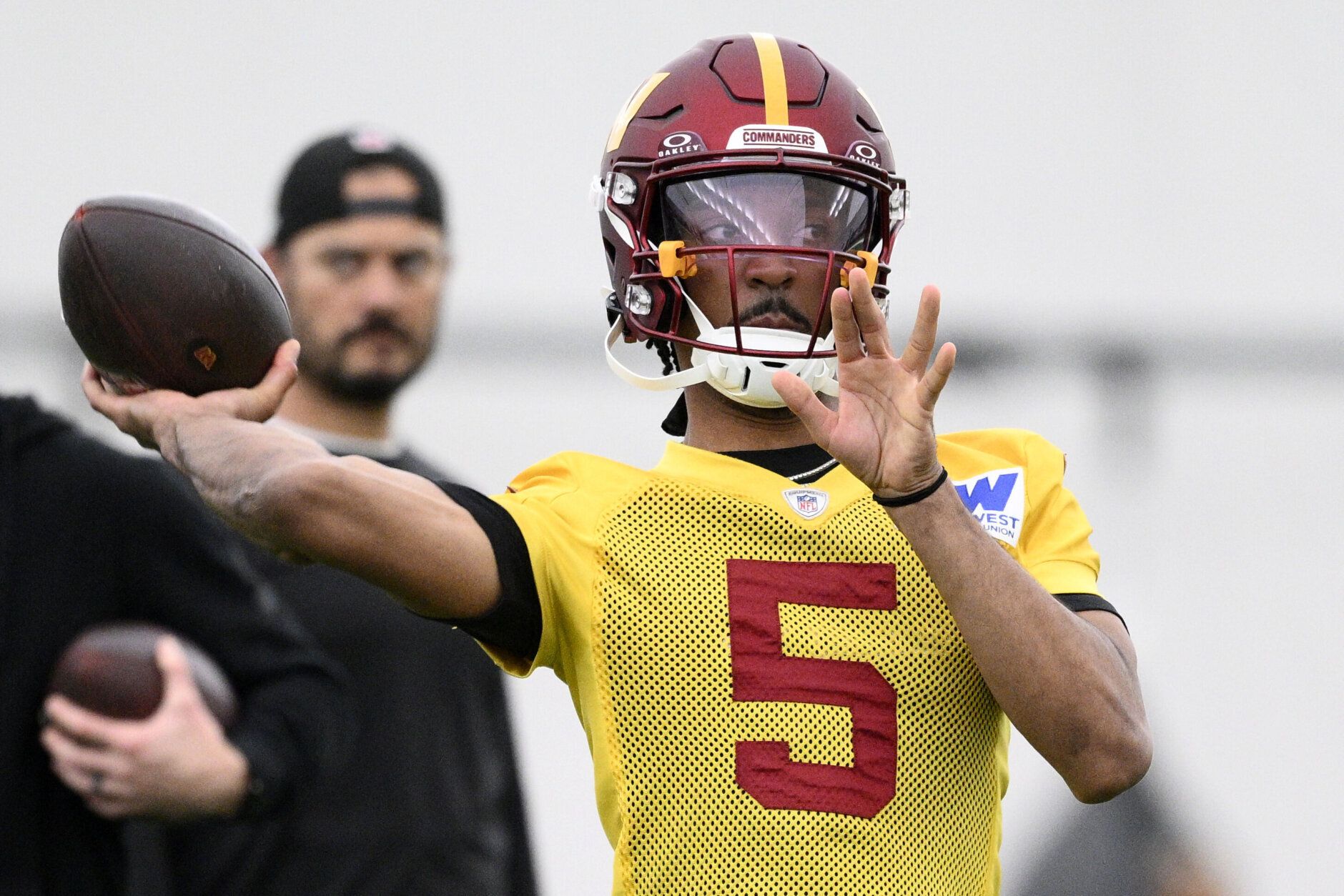
In summary, Jayden Daniels’ elbow dislocation required restoring the stability and coordination of one of football’s most complex joints. Through a structured five-phase rehabilitation process—addressing inflammation, strength, dynamic control, game readiness, and performance—he can safely and effectively return to the field at the same level of confidence and power that defines his play.