- DLIM's Playbook
- Posts
- Cam Skattebo - Ankle
Cam Skattebo - Ankle

Devin Limerick
November 3rd, 2025
Good morning! One of the most electric football players had a gruesome ankle injury a couple weeks ago. Cam Skattebo, a rookie for the giants went down against the Eagles and needed immediate surgery. He underwent surgery Sunday night in Philadelphia to address the injury. Today I will be covering his injury.
*The injuries discussed in this newsletter are for general educational purposes only. I am not affiliated with the athlete’s medical team, and the information shared does not reflect any insider or team medical details. Specifics about the injury are often unavailable, which can significantly influence the estimated timeline for return to play.
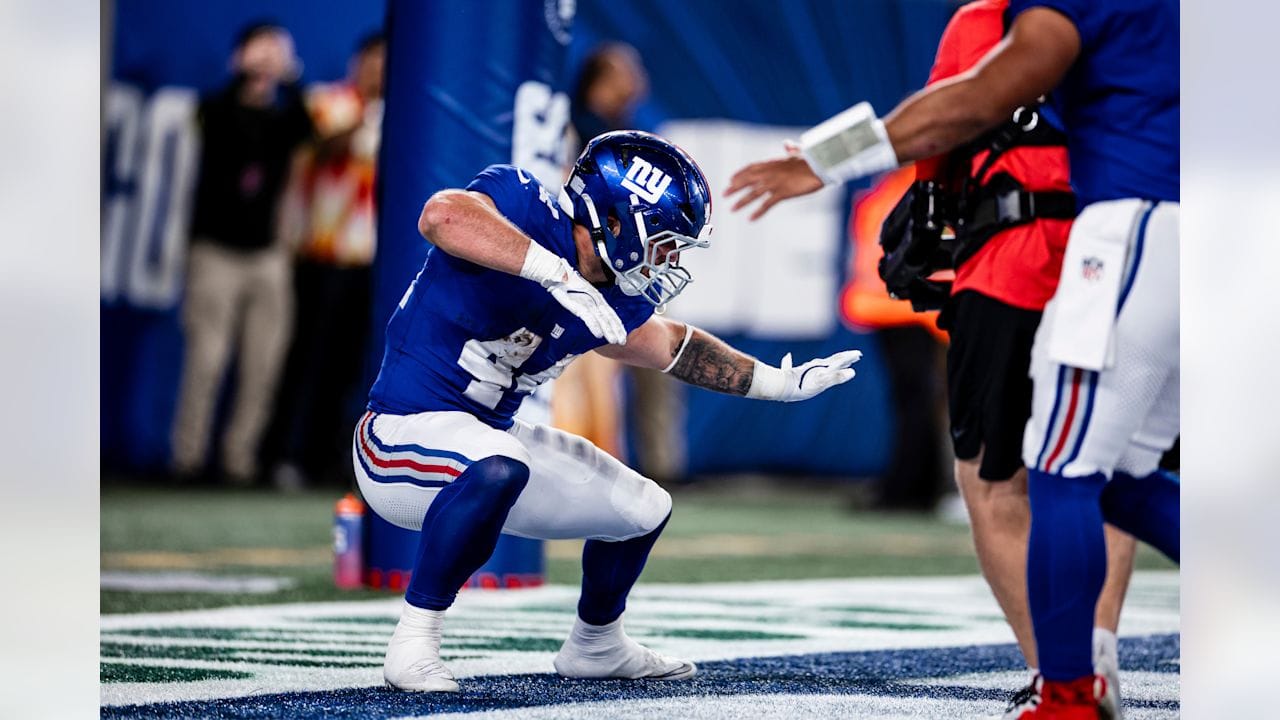
In the second quarter of the Giants’ game versus the Eagles, Cam Skattebo went down after a reception attempt when the Eagles linebacker made contact and his leg became pinned beneath him. The play resulted in a dislocated right ankle. Further diagnostics revealed more extensive damage: a fracture to his fibula and a ruptured deltoid ligament in his lower right leg.
From a Physical Therapy and sports-medicine perspective, the combination of a dislocation, fracture, and ligament rupture poses not just structural healing issues but also neuromuscular, proprioceptive, and performance-restoration challenges. The psychological impact of such a visible and traumatic injury, which his teammates and coaches openly commented on, also can’t be overlooked.

Acute Phase
The first phase begins right after surgery and focuses on protection, swelling control, pain management, and gentle mobility. For Cam, this would involve immobilization, ice, compression as tolerated, and elevation of the injured limb to manage edema. Soft-tissue swelling around the ankle and lower leg (given the fibula fracture and deltoid ligament rupture) must be controlled to prevent stiffness and ensure proper circulation and range of motion when returning back to play. Early passive range of motion may be introduced for the ankle, foot, and surrounding joints within surgeon and PT clearance, to avoid stiffness and encourage joint lubrication. The emphasis is on ensuring structural repairs remain undisturbed while preserving as much joint health as possible. During this period, isometric contractions (such as quadriceps and gluteal sets) are used to maintain muscle activation and reduce atrophy. Cam would likely be non-weight bearing or partial weight bearing depending on surgical fixation, and mobility would be restricted accordingly. Mental support and clear communication of the rehab path are key during this early phase. For an athlete whose season ended abruptly, psychological engagement and trust in the process are foundational.
Hypertrophy Phase
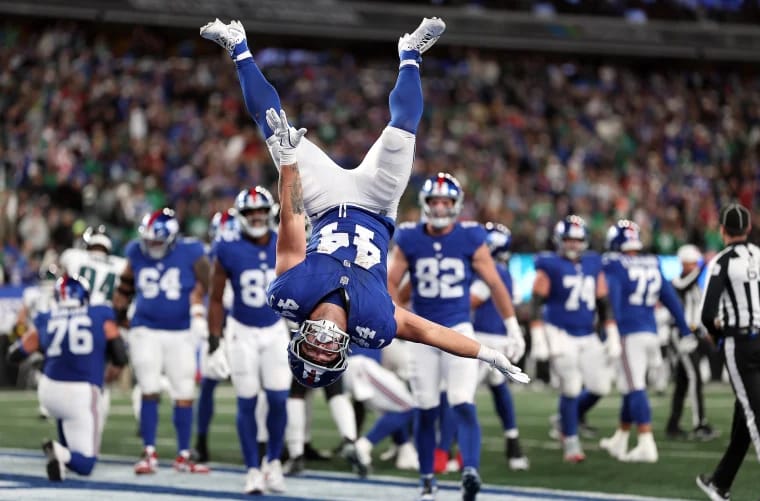
Once acute healing milestones are met, with bone consolidation, reduced swelling, and improved mobility, the focus shifts to rebuilding muscle strength and mass around the injured limb and supporting musculature. Attention would be paid to the calf, peroneals, tibialis posterior and anterior, hamstrings, gluteals, and core. Running backs depend heavily on explosive hip extension, leg drive, and lateral stability, so regaining that foundation is crucial. Loading is progressively increased, moving from open-chain to closed-chain exercises as weight bearing becomes tolerated. Eccentric loading is emphasized to strengthen connective tissue and prepare the ankle for high-force absorption. The rehab team also corrects any gait deviations that may have developed during immobilization. The goal of this phase is to restore symmetry between limbs and ensure efficient biomechanics before advancing to more dynamic work.
*Due to my professional association with the Atlanta Falcons during preseason and my current role with the Florida State Seminoles, I will not provide educational content or commentary on any injuries within these programs during or after the season.
Plyometric Phase
With strength and muscle mass restored, rehab transitions into dynamic movement. This phase focuses on re-establishing power, elasticity, and neuromuscular reactivity. Early on, Skattebo might perform low-impact hops and controlled landings to reintroduce force absorption. As tolerance builds, he progresses to single leg hops, bounding, and change-of-direction drills that mimic football movements. Proper landing mechanics and deceleration control are essential, especially given the repaired deltoid ligament’s role in medial ankle stability. The objective is to retrain the stretch-shortening cycle so his lower limb can handle explosive demands like cutting, planting, and accelerating out of contact. Every movement is closely monitored for symmetry, coordination, and stability before he transitions to full sport-specific work.
Return to Play
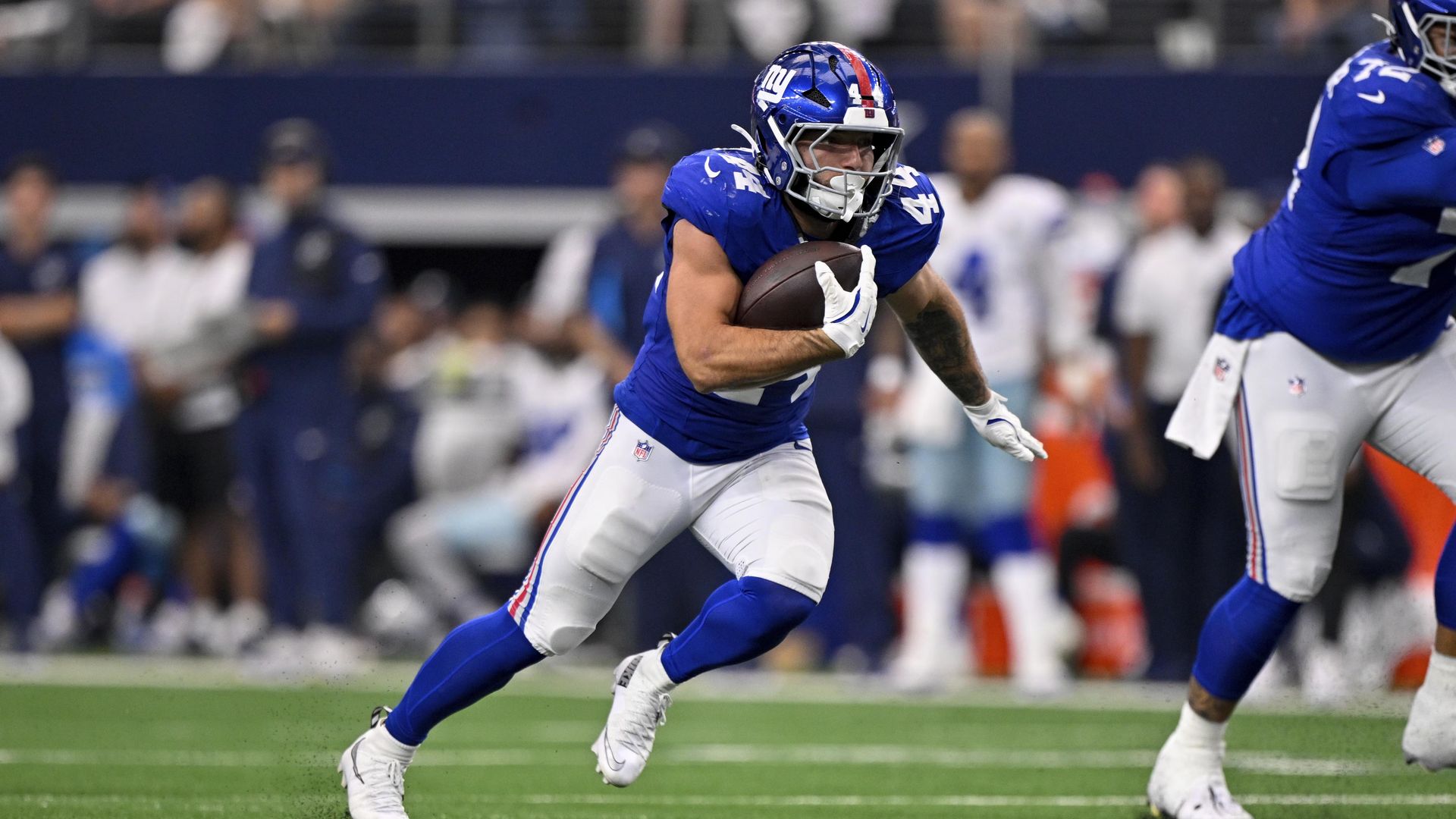
Once Skattebo demonstrates full power, control, and symmetry, rehab shifts toward integrating him back into football environments. This phase bridges physical therapy and live practice. He begins sport-specific drills such as sprinting, cutting at angles, and reacting to unpredictable movement patterns. Controlled contact and scrimmage-style situations are slowly introduced to re-build confidence and real-world reactivity. This phase would look like participating in indy drills and potentially 7 on 7 later on in this phase. Functional testing — including single-leg hop testing, force-plate analysis, and timed agility runs — guides progression. Communication between the medical staff, strength coaches, and team trainers ensures workload increases safely. The focus here is reintegration under supervision, ensuring his ankle can tolerate game-like demands without compensations or pain.
Return to Performance
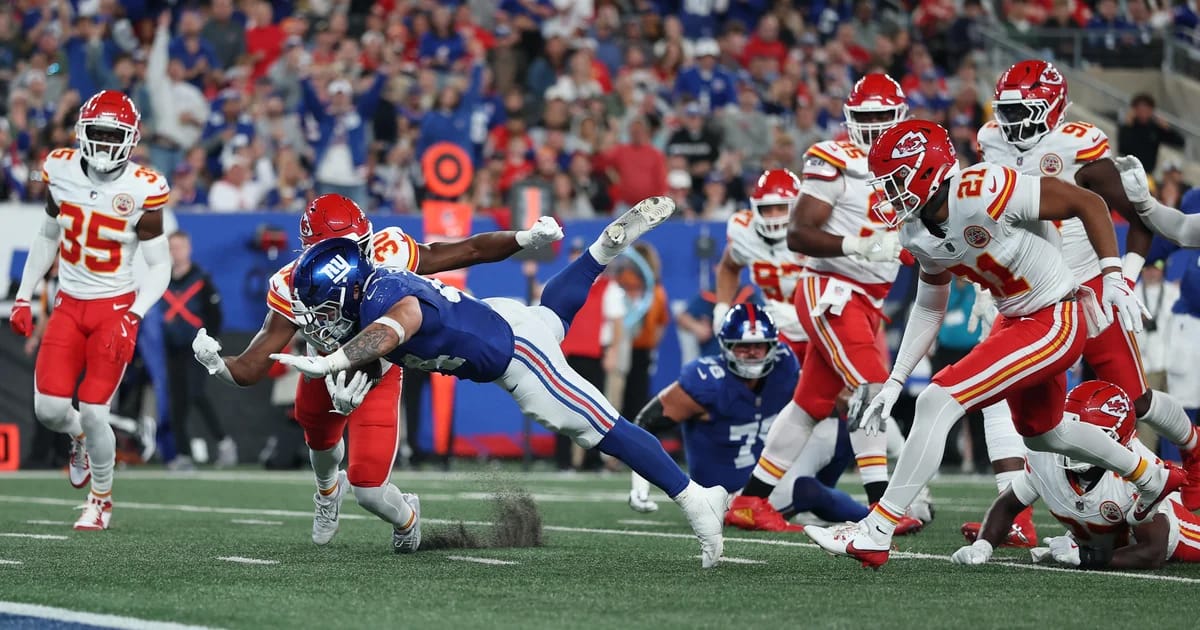
The final phase is about more than returning to play, it’s about returning to elite performance. For Skattebo, that means regaining explosiveness, durability, and confidence as a running back capable of high workloads week after week. Advanced conditioning drills focus on repeated high-intensity efforts, acceleration and deceleration under fatigue, and reactive agility work. Preventative maintenance becomes a daily habit, ankle stability, eccentric calf loading, hip and core strengthening, and balance drills to reinforce proprioception. Performance metrics such as sprint times, jump height, and ground-contact efficiency are tracked to ensure he’s meeting or exceeding pre-injury standards. The mental side of recovery also remains central, regaining trust in the injured limb and the courage to attack plays without hesitation. The ultimate goal isn’t just getting back on the field, but returning as a stronger, more resilient athlete ready to perform at a high level consistently.